

Cyber Security Service in Financial Firms
About Our Services in Financial Firms
As a trusted Cybersecurity Services Company in the USA, CYTAS delivers specialized cybersecurity solutions tailored for banks, credit unions, fintech startups, hedge funds, and investment firms. The financial sector faces continuous threats from ransomware, phishing, insider risks, and regulatory non-compliance. Our comprehensive Cybersecurity Services are strategically designed to protect sensitive financial data, secure digital transactions, and ensure uninterrupted business operations while maintaining full compliance with U.S. regulatory frameworks.
CYTAS operates as a results-driven Cybersecurity Company focused on delivering measurable protection and long-term resilience. Our approach to Cybersecurity service in Finance combines advanced threat detection, risk assessment, regulatory compliance management, and proactive security monitoring. We not only defend financial institutions against evolving cyber threats but also help firms strengthen their digital credibility — ensuring trust, data integrity, and operational continuity in an increasingly complex financial ecosystem.
Get In Touch
Our Friendly team would love to hear from you
Why Choose Us for Financial Security
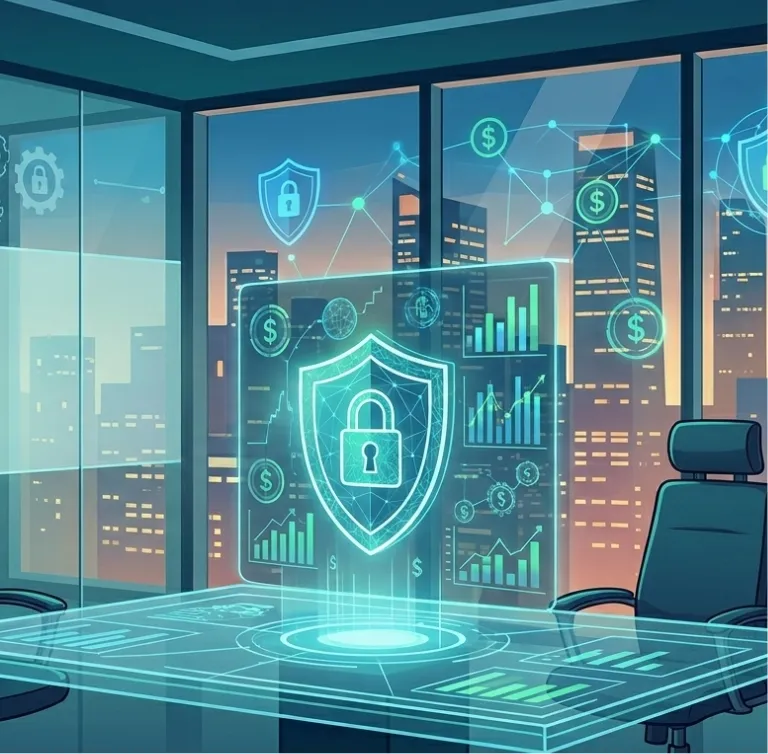
Financial institutions in the United States operate in a highly regulated and constantly evolving threat landscape. Selecting the right Cybersecurity Services Company is critical to maintaining data integrity, transaction security, and customer trust. Our cybersecurity approach is built specifically for financial firms, including banks, fintech companies, credit unions, and investment organizations. We design structured security frameworks that align with U.S. regulatory standards while proactively addressing modern risks such as ransomware, phishing attacks, insider threats, and advanced persistent threats.
Our team delivers comprehensive Cybersecurity Services that focus on prevention, detection, and rapid response. Through continuous monitoring, vulnerability assessments, compliance-driven security strategies, and incident management planning, we help financial institutions minimize exposure and strengthen operational resilience. With proven expertise in providing Cybersecurity service in Finance, we ensure that your organization is equipped with scalable protection models that adapt to emerging cyber risks while supporting business growth, regulatory compliance, and long-term digital stability.
services
Cyber Security Service in Financial Firms
Financial institutions across the United States require specialized protection strategies to defend against evolving cyber threats and strict regulatory requirements. Our comprehensive Cybersecurity Services are designed specifically to secure financial data, digital transactions, and mission-critical infrastructure.
Data encryption ensures sensitive financial and customer data is unreadable without the proper decryption key. It safeguards information during transmission and storage. This prevents interception during online transactions and secures data across platforms. Compliance with regulations like GDPR is also ensured.
We conduct in-depth risk assessments to identify vulnerabilities within your financial infrastructure. Our structured evaluations help firms understand exposure levels and implement remediation strategies aligned with regulatory standards.
Through vulnerability scanning and penetration testing, we proactively identify system weaknesses. This allows financial firms to strengthen defenses before threats can be exploited.
We deliver cybersecurity awareness training programs that help employees recognize phishing attempts, follow secure data practices, and reduce human-related risks.
Our Cybersecurity service in Finance supports financial institutions in meeting U.S. regulatory requirements such as GLBA, SEC, and FINRA. We establish proper controls, policies, and documentation frameworks to reduce compliance risks.
Our advanced network and endpoint protection solutions defend critical systems against malware, ransomware, and unauthorized intrusions across digital environments.
We secure cloud environments through configuration management, access governance, and ongoing monitoring. This ensures safe digital transformation without compromising compliance or data integrity.
We provide 24/7 network monitoring and real-time threat detection to prevent unauthorized access and malicious activity. Continuous oversight ensures rapid identification and mitigation of emerging cyber risks.
Our structured incident response plans enable quick containment and recovery during cyber incidents. This minimizes downtime, financial losses, and reputational damage.
Ready to Strengthen Your Security?
Take charge of your security today. Protect your business from evolving cyber threats with confidence. Contact us now, and let’s build a stronger, safer digital future together.
Process
Our Process
We follow a structured and proactive approach to deliver Cybersecurity Services that protect financial institutions, ensure compliance, and mitigate digital risks effectively.
Industries
Industries We Serve
We provide tailored solutions designed to meet the unique needs of diverse industries. From retail to finance, our expertise ensures reliable results across every sector we serve
CHallenges
Cyber Security Challenges in Financial Firms
Financial organizations face increasingly sophisticated cyber threats while balancing strict regulatory requirements. Understanding these challenges is critical to implementing effective Cybersecurity Services in the financial sector.
Ransomware Attacks
Ransomware continues to be a major threat to financial firms, encrypting critical systems and demanding large payments. Timely prevention and a robust incident response plan are essential to mitigate financial and reputational damage.
Phishing & Social Engineering
Cybercriminals target employees with phishing emails and deceptive tactics. These attacks can compromise sensitive credentials. Regular training reduces human error and strengthens security awareness.
Insider Threats
Internal personnel may intentionally or accidentally expose sensitive data. Unauthorized access can result in financial and reputational damage. Monitoring and access control help mitigate this risk.
Regulatory Compliance
Financial firms must comply with GLBA, SEC, and FINRA standards. Failure to comply can lead to penalties. Continuous audits and cybersecurity policies ensure adherence to regulations.
Data Breaches
Client and financial data is a prime target for hackers. Breaches can lead to identity theft and financial loss. Encryption and secure access controls protect critical information.
Advanced Persistent Threats
APTs infiltrate systems and remain undetected for long periods. They can steal sensitive data or manipulate operations. Continuous monitoring and threat intelligence are necessary for early detection.
Legacy System Vulnerabilities
Outdated banking systems often have security weaknesses. Unpatched software increases risk of exploitation. Regular updates and system modernization reduce vulnerabilities.
Cloud Security Risks
Improperly configured cloud systems expose sensitive financial information. Cloud adoption introduces new attack vectors. Strong governance and monitoring protect digital assets.
Business Continuity
Cyber incidents can disrupt critical financial operations. Downtime can lead to revenue and trust loss. Disaster recovery plans ensure uninterrupted services and operational resilience.
Secure Your Financial Firm Today
Partner with our expert Cybersecurity Services Company to protect your data, ensure compliance, and strengthen your financial operations.
SOLUTIONS
Cyber Security Solutions in Financial Firms
We provide tailored Cybersecurity Solutions to help financial institutions safeguard sensitive data, maintain regulatory compliance, and protect digital infrastructure from evolving cyber threats.
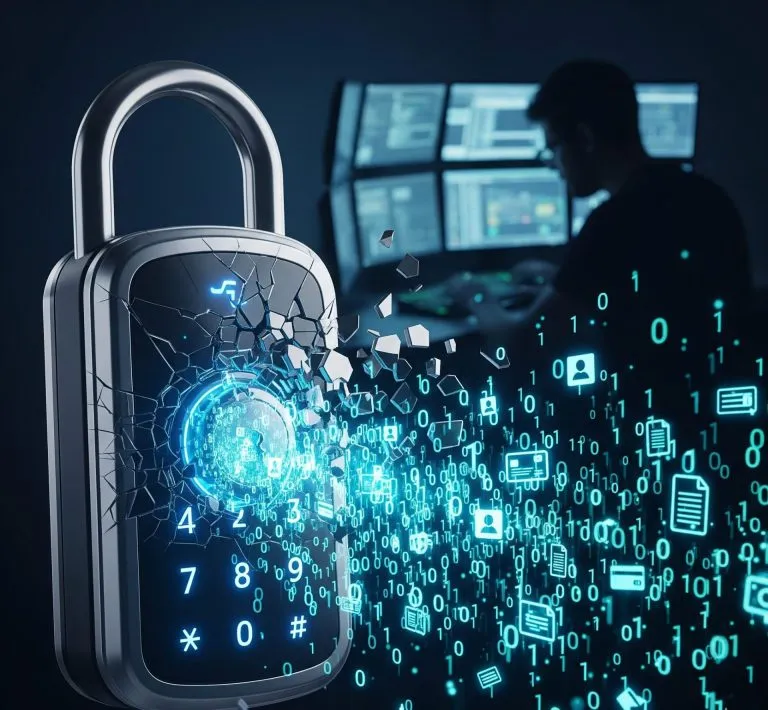
Threat Detection & Monitoring
Our Threat Detection & Monitoring solution continuously safeguards financial systems by identifying potential risks before they escalate into critical incidents. The service ensures early detection, reduces downtime, and maintains operational continuity while protecting sensitive financial transactions.
Key Highlights:
- Real-time alerts for suspicious activity
- Behavioral analytics to detect anomalies
- Network and endpoint surveillance
- Rapid response to potential threats
- Seamless integration with existing IT infrastructure
Data Protection & Encryption
The Data Protection & Encryption solution secures all critical financial and client information using advanced encryption protocols and robust storage systems. This approach mitigates data breaches, preserves regulatory compliance, and builds client trust.
Key Highlights:
- End-to-end data encryption
- Secure cloud and on-premise storage
- Access control and authentication
- Backup and disaster recovery mechanisms
- Protection against data leaks and unauthorized access
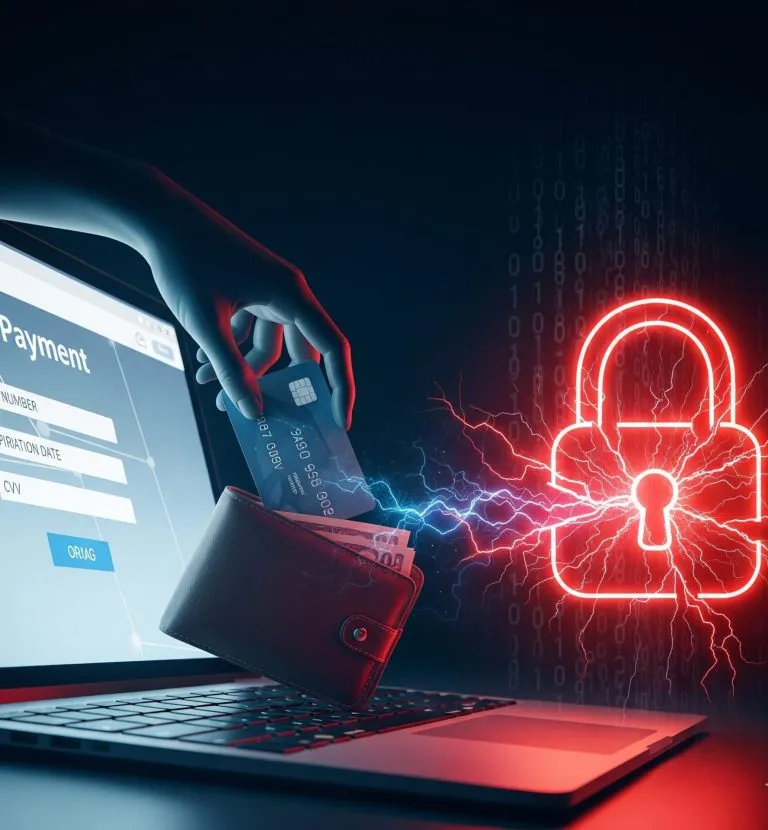

Compliance & Risk Management
Our Compliance & Risk Management solution helps financial firms navigate complex regulations such as GLBA, SEC, and FINRA while minimizing cybersecurity risks. This ensures organizations remain compliant, reduce operational vulnerabilities, and maintain a strong security posture.
Key Highlights:
- Comprehensive security audits and assessments
- Risk evaluation and mitigation strategies
- Policy and procedure documentation
- Continuous compliance monitoring
- Regulatory reporting and governance support
Employee Training & Awareness
The Employee Training & Awareness solution equips staff to recognize threats and follow secure practices, reducing human-related cybersecurity risks. Trained employees become an effective first line of defense against cyber threats.
Key Highlights:
- Phishing and social engineering simulations
- Role-based security training programs
- Continuous cybersecurity awareness campaigns
- Safe data handling protocols
- Guidance on incident reporting and response
Importance
Importance of Cybersecurity in Financial Firms

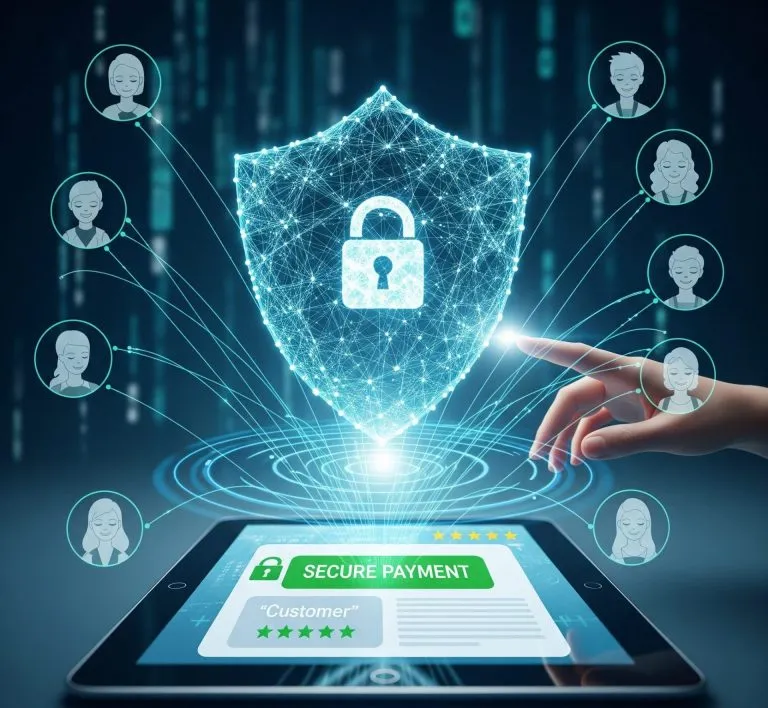
Financial firms handle highly sensitive client information, large-scale transactions, and critical operational data, making them prime targets for cybercriminals. Implementing robust Cybersecurity Services is essential to protect against threats such as ransomware, phishing, and insider attacks, while ensuring business continuity. Effective cybersecurity not only prevents financial losses but also safeguards the organization’s reputation, client trust, and regulatory compliance, which are critical in the highly regulated U.S. financial sector.
Moreover, as financial institutions increasingly adopt digital banking, cloud services, and fintech solutions, the risk landscape becomes more complex. Proactive cybersecurity strategies, including threat detection, data protection, employee training, and regulatory compliance management, help firms stay ahead of emerging threats. By prioritizing cybersecurity, financial organizations can ensure operational resilience, secure sensitive data, and maintain long-term trust with clients and stakeholders in a competitive digital environment.
Explore
Explore More About Cybersecurity
Discover insights, tips, and strategies to stay safe in the digital world.
Wireless Network Security
Wireless network security focuses on protecting Wi-Fi connections from unauthorized access and data interception. It ensures safe communication by using encryption, firewalls, and authentication mechanisms. Strong wireless security prevents attackers from exploiting open or weakly protected networks.
Managed Security
Managed security refers to outsourcing cybersecurity monitoring and management to specialized providers. It helps organizations detect, prevent, and respond to threats with 24/7 expert support, advanced tools, and proactive strategies. This approach reduces risks, ensures compliance, and strengthens overall organizational security posture.
IoT Security
IoT security deals with protecting interconnected smart devices that often have limited built-in defenses. Cybercriminals exploit insecure IoT endpoints to launch attacks or gain unauthorized access. Strong authentication, firmware updates, and network monitoring are key to IoT protection.
API Security
API security ensures that applications can exchange data safely without exposing vulnerabilities or access. Weak or unprotected APIs can be exploited to steal sensitive data, disrupt services, or compromise systems. Strong authentication, monitoring, and rate limiting are essential for effective API protection.
Database Security
Database security involves safeguarding stored data against breaches, leaks, or manipulation. It includes measures like encryption, access control, and regular audits to ensure data integrity. Protecting databases is critical as they hold sensitive customer, financial, and organizational information.
Strengthen Your Financial Security
Partner with experts to defend your systems, prevent breaches, and maintain regulatory compliance effortlessly.

FAQ's
Got Questions? Find Your Answers Here!
Financial institutions handle sensitive client data, large-scale transactions, and proprietary financial information, making them prime targets for cyberattacks. Strong cybersecurity protects against data breaches, ransomware, insider threats, and ensures compliance with U.S. regulations like GLBA, SEC, and FINRA.
We provide comprehensive solutions including threat detection and monitoring, data protection and encryption, regulatory compliance, employee training, vulnerability testing, network security, and incident response, all tailored to the needs of banks, fintech companies, and investment firms.
Our services implement best practices aligned with regulatory requirements. From continuous audits and risk assessments to proper documentation and reporting, financial institutions can meet GLBA, SEC, FINRA, and other standards while reducing operational and legal risks.
With proactive threat detection, 24/7 monitoring, and rapid incident response protocols, organizations can identify and mitigate threats in real time. This reduces downtime, prevents financial losses, and ensures continuity of critical operations.
Yes. Human error is one of the biggest vulnerabilities. Our employee training and awareness programs educate staff on phishing prevention, safe data handling, and recognizing social engineering attempts, empowering them to act as the first line of defense.