
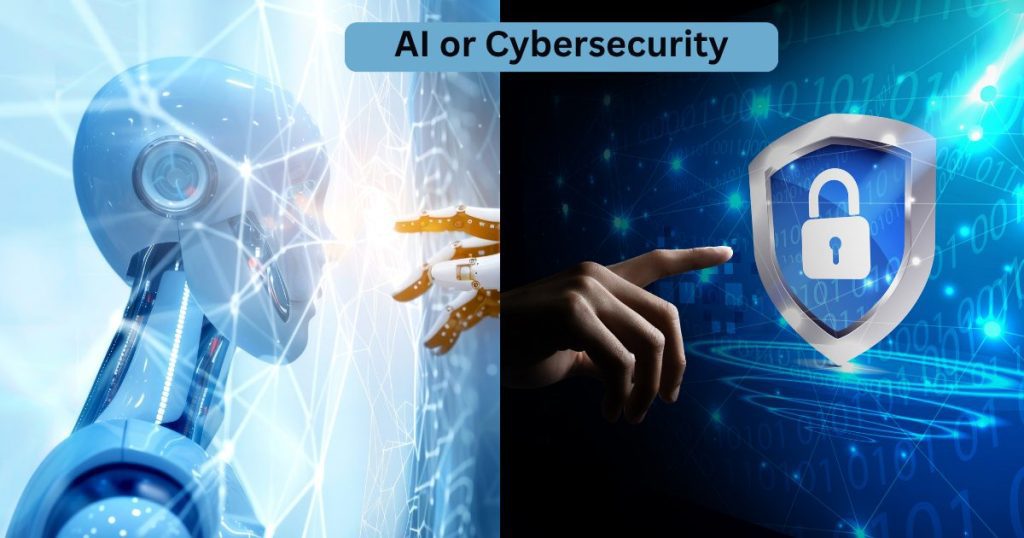
As technology continues to evolve, businesses like CYTAS face a critical question: which is better AI or cyber security for protecting data and optimizing operations. While both fields offer immense benefits, they serve very different purposes. AI focuses on automation, intelligence, and predictive analysis, while cyber security is primarily concerned with protecting systems, networks, and sensitive information. Understanding their roles, strengths, and limitations is essential for companies and professionals deciding where to invest resources or careers.
Defining Artificial Intelligence and Its Role
Artificial intelligence refers to systems that simulate human intelligence using algorithms, data, and machine learning. AI can learn from data, make predictions, and perform tasks that traditionally required human input. It is used in a variety of industries, including finance, healthcare, manufacturing, and security.
Key Applications of AI
1 Predictive analytics for business decisions
2 Automation of repetitive tasks
3 Image and speech recognition
4 Personalized recommendations
5 AI powered customer support
AI is transforming industries by increasing efficiency, reducing errors, and enabling faster decision making.
Understanding Cyber Security and Its Role
Cyber security is the practice of protecting computers, networks, applications, and data from unauthorized access, attacks, and damage. It ensures confidentiality, integrity, and availability of digital assets. Organizations rely on cyber security to prevent breaches, malware, ransomware, and other cyber threats.
Core Functions of Cyber Security
1 Network protection against unauthorized access
2 Monitoring and detection of cyber threats
3 Incident response and recovery
4 Application and software security
5 Data protection and privacy compliance
Cyber security is critical for organizations to maintain trust, protect customer data, and avoid financial or reputational losses.
Comparing AI and Cyber Security
When people ask which is better AI or cyber security it is important to recognize that the comparison is not about one being superior to the other. Instead, it is about understanding their different purposes and how they can complement each other.
Strengths of AI
1 Automation reduces human error
2 Large data analysis in real time
3 Predictive capabilities for identifying trends
4 Enhances decision making
5 Optimizes resource allocation
Strengths of Cyber Security
1 Protects sensitive information
2 Prevents financial and operational losses
3 Ensures compliance with regulations
4 Maintains trust with customers
5 Detects and mitigates cyber threats
While AI improves efficiency and intelligence, cyber security ensures the safety and reliability of systems.
How AI Supports Cyber Security
AI has become a valuable tool within cyber security frameworks. It can help organizations detect threats faster, automate responses, and reduce human workload. This integration highlights that AI and cyber security are not mutually exclusive but can work together.
Examples of AI in Cyber Security
1 AI powered threat detection
2 Anomaly detection in networks
3 Automated incident response
4 Behavioral analytics to identify suspicious activity
5 Predictive analysis for potential vulnerabilities
Using AI within security frameworks enhances protection and allows teams to respond proactively.
Limitations of AI in Cyber Security
While AI can greatly improve security operations, it has limitations that must be considered when deciding which is better AI or cyber security in practical terms.
Key Limitations
1 AI models require large amounts of accurate data
2 Susceptible to adversarial attacks
3 Cannot replace human judgment entirely
4 High implementation costs for advanced AI systems
5 Dependence on algorithms that may fail under unusual scenarios
Cyber security still requires skilled professionals to design strategies, monitor systems, and make critical decisions.
Limitations of Cyber Security Without AI
Traditional cyber security methods are highly effective, but without AI they face challenges in handling large volumes of data or rapidly evolving threats. Understanding these limitations helps businesses decide how to integrate AI.
Challenges Without AI
1 Manual monitoring of large networks is time consuming
2 Difficulty in identifying advanced persistent threats
3 Limited predictive capabilities
4 Slower response to zero day attacks
5 High operational costs for 24 hour monitoring
Integrating AI into security operations addresses many of these challenges while maintaining strong protection.
Career Opportunities in AI and Cyber Security
Both AI and cyber security offer attractive career paths, but the skill sets required are different. Evaluating these factors can help professionals decide which is better AI or cyber security based on their interests and strengths.
Careers in AI
1 Machine learning engineer
2 Data scientist
3 AI researcher
4 AI application developer
5 Robotics engineer
These roles often require strong programming skills, statistical knowledge, and problem solving abilities.
Careers in Cyber Security
1 Security analyst
2 Penetration tester
3 Network security engineer
4 Incident response specialist
5 Compliance and risk officer
Cyber security roles often require knowledge of networks, protocols, threat detection, and regulatory compliance.
Education and Skill Requirements
Education and skill development also differ between AI and cyber security, influencing which path might be better for certain individuals.
Skills Needed for AI
1 Programming languages such as Python or R
2 Data analysis and modeling
3 Machine learning algorithms
4 Statistical analysis
5 Problem solving and critical thinking
Skills Needed for Cyber Security
1 Network fundamentals and protocols
2 Security tools and technologies
3 Threat detection and mitigation
4 Compliance standards and policies
5 Analytical thinking and attention to detail
While AI focuses on creating intelligent systems, cyber security emphasizes protecting systems from threats.
How Businesses Decide Between AI and Cyber Security
Organizations face decisions on where to allocate resources. Rather than choosing one over the other, the decision often involves evaluating risk and efficiency.
Factors Considered by Businesses
1 Organizational risk profile
2 Existing infrastructure maturity
3 Regulatory and compliance requirements
4 Budget availability
5 Strategic business goals
A balanced approach often combines AI for automation and predictive insights with cyber security for protection and compliance.
The Integration of AI and Cyber Security
The most effective modern approach is integration rather than choosing. AI enhances cyber security operations, allowing faster detection, predictive analysis, and automation.
Benefits of Integration
1 Reduced response time to incidents
2 Increased accuracy in threat detection
3 Efficient use of human resources
4 Improved predictive risk analysis
5 Scalability for large enterprises
This integration demonstrates that asking which is better AI or cyber security is less about competition and more about synergy.
Real World Examples
Several organizations successfully combine AI and cyber security to strengthen defenses.
Examples Include
1 Financial institutions using AI for fraud detection
2 Cloud providers monitoring network activity with AI algorithms
3 Healthcare organizations protecting sensitive data with AI powered security
4 Large enterprises predicting attacks before they occur
5 Security operations centers using AI to prioritize alerts
These cases show that AI complements traditional security practices effectively.
Future Trends
Both AI and cyber security continue to evolve, and their integration will grow in importance. Emerging trends suggest that neither field operates in isolation.
Key Trends
1 AI powered threat intelligence
2 Automation of repetitive security tasks
3 Improved predictive modeling for risk management
4 Enhanced cloud and IoT security
5 Increased demand for skilled professionals in both fields
Future developments make synergy between AI and cyber security essential.
Conclusion
When asking which is better AI or cyber security it is clear that the answer depends on context. AI improves efficiency, prediction, and automation, while cyber security ensures protection, compliance, and risk mitigation. Rather than viewing them as competitors, organizations and professionals benefit most from combining AI with cyber security strategies. This approach provides both intelligent insights and robust protection, creating a stronger and more resilient digital environment.
FAQs
Which is better AI or cyber security for career growth
It depends on your skills and interests. Both offer high demand and growth potential.
Can AI replace cyber security professionals
No, AI assists but human expertise remains essential for decision making.
How does AI improve cyber security
AI helps detect threats faster, automates tasks, and predicts potential vulnerabilities.
Is cyber security more important than AI
Cyber security ensures protection, making it essential. AI complements but cannot replace security.
Can businesses use AI and cyber security together
Yes, integration of AI and cyber security enhances efficiency and threat protection.