

Endpoint Security Services in USA
Endpoint devices like laptops, mobiles, and workstations are prime targets for malware, ransomware, and unauthorized access, putting business data at constant risk. Our endpoint security solutions protect every device with advanced threat detection, real-time monitoring, and rapid response. We are a cybersecurity company that secures, manages, and monitors endpoints for businesses of all sizes. Our services are designed for organizations that need strong device-level protection to keep their networks, users, and data safe.
Get In Touch
About Our Endpoint Security Services
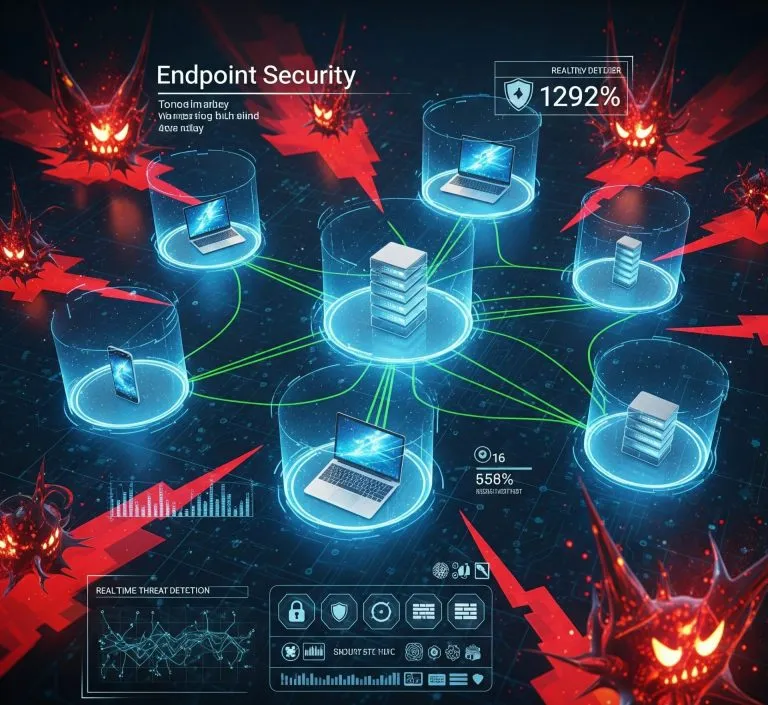
Our Endpoint Security Services are designed to protect all user devices that connect to your network, including desktops, laptops, servers, and mobile endpoints. As endpoints are often the primary entry point for cyberattacks, securing them is critical to maintaining overall network integrity. We focus on preventing threats before they compromise systems or sensitive data.
We deploy advanced endpoint protection mechanisms that detect, block, and respond to malware, ransomware, and unauthorized activities in real time. Our solutions provide continuous visibility into endpoint behavior, allowing us to identify suspicious patterns and stop attacks at an early stage. This proactive approach reduces downtime and limits the spread of threats across your infrastructure.
By combining monitoring, threat intelligence, and incident response, we ensure your endpoints remain secure without impacting performance or user productivity. Our endpoint security strategy adapts to evolving threats and modern work environments, supporting both on-premise and remote teams.

Ready to Secure Your Business?
Ready to make your digital world impervious to cyber threats? Don’t wait. Contact us today, and let’s embark on a journey to fortify your digital assets.
services
Endpoint Security Services
Endpoint Security protects all devices connected to your network, including laptops, desktops, and mobile devices. It ensures that each endpoint is safeguarded against malware, ransomware, and unauthorized access.
Secure Web Gateway
We implement secure web gateways to filter malicious web traffic and prevent endpoint infections. This protects devices from phishing, malware downloads, and unauthorized web access. Users can safely browse without compromising endpoint security. Policies are continuously updated to defend against evolving web threats.
DDoS Protection
Our DDoS protection safeguards endpoints and network access from distributed denial-of-service attacks. Real-time monitoring ensures uninterrupted operations during high-traffic attacks. Mitigation strategies prevent downtime and maintain system availability. Endpoints remain resilient against large-scale service disruptions.
File Integrity Monitoring
We continuously track critical system and application files for unauthorized changes. Alerts are generated immediately if suspicious activity is detected. This prevents tampering, ransomware attacks, and potential data corruption. Regular monitoring ensures endpoints remain secure and compliant.
Privileged Access Management
We enforce strict controls for privileged accounts on endpoints.
Access rights are limited to authorized users only, reducing insider threat risks. Multi-factor authentication and activity logging enhance accountability. This ensures sensitive operations are executed securely and transparently.
Security Operations Center
Our SOC provides 24/7 endpoint monitoring and threat analysis.
Security incidents are detected, investigated, and resolved in real time. SOC integration allows faster response and minimizes damage from attacks. It ensures continuous endpoint protection across your organization.
Cloud Security Posture Management
We monitor endpoints connected to cloud services to ensure secure configurations. Misconfigurations and vulnerabilities are identified and remediated quickly. This helps prevent unauthorized access and protects sensitive cloud data. Endpoints remain compliant and secure in hybrid cloud environments.
Endpoint Detection & Response
EDR tools monitor endpoint activity to detect, investigate, and respond to threats. Automated alerts and behavioral analysis identify suspicious patterns early. Rapid response prevents the spread of malware across endpoints.
Continuous updates ensure resilience against emerging threats.
Anti-Malware & Antivirus
We deploy advanced anti-malware solutions to protect endpoints from viruses, trojans, and ransomware. Regular signature updates and heuristic scanning detect known and unknown threats. Endpoints remain clean and operational with minimal user disruption. This foundational layer of protection is critical for overall security.
Patch Management
We ensure all endpoint software and operating systems are up to date with the latest security patches. Timely patching reduces vulnerabilities and prevents exploit attacks. Automated updates streamline maintenance and reduce human error. This keeps endpoints resilient against known and emerging threats.
Mobile Device Security
We secure smartphones, tablets, and other mobile endpoints connecting to corporate networks. This includes encryption, remote wipe, and secure application controls. Mobile endpoints are protected against data leaks and unauthorized access. Security policies adapt to both BYOD and corporate devices.
Network Access Control
We enforce device compliance before granting network access. Endpoints that fail security checks are quarantined until issues are resolved. NAC prevents compromised devices from infecting the network. This ensures only secure, compliant endpoints are connected.
Data Loss Prevention
We implement DLP solutions to monitor and protect sensitive data on endpoints. Unauthorized attempts to copy, transfer, or share critical information are blocked. Endpoints remain secure while maintaining productivity. This reduces the risk of data breaches and regulatory penalties.
Endpoint Security Assessments

Our Endpoint Security Assessments provide a comprehensive evaluation of all devices connecting to your network, including desktops, laptops, servers, and mobile endpoints. We analyze configurations, installed software, access controls, and security policies to identify vulnerabilities that could be exploited by cyber attackers.
During the assessment, we examine patch levels, anti-malware protections, endpoint hardening, and threat detection capabilities. This detailed evaluation ensures that all endpoints meet security standards and adhere to best practices. Any gaps or misconfigurations are highlighted with actionable recommendations.
Following the assessment, we provide a prioritized remediation plan to strengthen endpoint defenses and reduce the risk of breaches. Regular assessments help organizations maintain compliance, improve resilience against cyber threats, and ensure business continuity. By proactively securing endpoints, we protect critical systems and sensitive data across the enterprise.
Process
Our Process
We follow a structured and proactive approach to protect endpoints across your organization. Our process ensures complete device security, threat prevention, and long-term resilience.
Not Sure Where to Start?
Take charge of your security today. Protect your business from evolving cyber threats with confidence. Contact us now, and let’s build a stronger, safer digital future together.
Why Choose Us
We deliver reliable and effective endpoint security solutions tailored to protect all devices across your organization. Our expertise ensures devices stay safe, threats are detected early, and risks are minimized.
We Are Flexible
We adapt our security solutions to fit your devices, network, and business needs.
We Are on Time
We deliver security assessments, updates, and responses promptly without delays.
We Are Experts
Our team has deep knowledge in protecting endpoints against modern cyber threats.
We Are Reliable
We provide consistent protection and support for all devices at all times.
We Are Analytical
We use data-driven insights to identify risks and optimize endpoint security.
We Are Innovative
We employ the latest technologies and strategies to stay ahead of evolving threats.
Endpoint Security Challenges
Device Vulnerabilities
Endpoints such as laptops, desktops, and mobile devices often have software flaws or misconfigurations that attackers exploit. Outdated operating systems, unpatched applications, and weak configurations increase the likelihood of breaches. Malware, ransomware, and unauthorized access can easily compromise unprotected devices. Regular assessment and hardening are critical to prevent potential security incidents.
Advanced Threats
Modern cyber threats are constantly evolving, targeting endpoints with sophisticated techniques. Attackers use phishing, zero-day exploits, and fileless malware to bypass traditional defenses. Without proactive threat detection, these attacks can spread quickly across devices. Advanced protection mechanisms are necessary to counter these constantly changing threats.
Remote Workforce Risks
With more employees working remotely, endpoints connect from unsecured networks and devices. This increases exposure to attacks like man-in-the-middle, unsecured Wi-Fi breaches, and compromised home devices. Managing and securing remote endpoints adds complexity to security operations. Policies, VPNs, and endpoint monitoring help mitigate these risks effectively.
Limited Visibility
Organizations often lack full visibility into all endpoints and their activities. This can delay detection of suspicious behavior, malware, or unauthorized access. Without continuous monitoring, incidents can escalate before response measures are applied. Comprehensive visibility and real-time alerts are essential for effective endpoint protection.
Industries
Industries We Serve
Our Endpoint Security solutions protect devices and networks across a wide range of industries. We help businesses secure sensitive data, prevent cyberattacks, and maintain compliance in every sector.
Endpoint Security Solutions
Threat Detection & Response
We deploy advanced tools to continuously monitor endpoints for malware, ransomware, and suspicious activity. Behavioral analysis and real-time alerts allow rapid identification of potential threats. Our team investigates incidents immediately to contain and neutralize attacks. This proactive approach minimizes downtime and prevents the spread of malware across devices. Continuous improvement ensures defenses adapt to emerging threats.
Device Hardening
We strengthen endpoints by configuring operating systems, applications, and security settings. Unnecessary services are disabled, and critical patches are applied to reduce vulnerabilities. Hardening reduces the attack surface, making it harder for attackers to exploit devices. Regular review and updates maintain a strong, resilient endpoint environment.
Access Control
We enforce strict authentication and authorization policies on all endpoints. Multi-factor authentication, role-based access, and privilege management prevent unauthorized access. This ensures only verified users can access sensitive applications and data. By limiting privileges, we reduce insider threats and accidental data exposure. Access controls are continuously reviewed and updated to adapt to changing requirements.
Patch & Update Management
We maintain endpoints with the latest software patches, firmware updates, and security fixes. Timely patching prevents attackers from exploiting known vulnerabilities. Automated updates streamline the process and minimize human error. This solution ensures that all devices remain secure, compliant, and resilient against evolving threats. Regular patch management reduces the risk of breaches and improves overall endpoint stability.
Steps
How We Manage and Secure Endpoint Security
We follow a structured and proactive approach to protect all endpoints across your organization. Our methodology ensures devices are continuously monitored, threats are mitigated early, and risks are minimized.
We identify and map all endpoints connected to your network, including laptops, desktops, servers, and mobile devices. This ensures no device is left unsecured or unmanaged. Discovery includes detecting rogue or unauthorized devices that could introduce vulnerabilities. A complete inventory provides the foundation for effective endpoint security management. Continuous updates keep the inventory accurate as devices change or are added.
We analyze endpoint configurations, installed software, and user access levels to identify potential risks. Vulnerabilities are prioritized based on threat severity and business impact. This step highlights weaknesses attackers could exploit and helps focus remediation efforts. Risk assessment forms the baseline for all subsequent security measures. Regular assessments ensure emerging threats are addressed promptly.
We enforce standardized security policies across all endpoints, including antivirus, firewall, and encryption settings. Policies ensure consistent protection and reduce human errors or misconfigurations. This step creates uniform security practices across the organization. It prevents unauthorized access and strengthens overall device resilience. Policy enforcement is continuously monitored and updated to adapt to new risks.
All endpoints are kept up-to-date with the latest software patches and security updates. Timely patching prevents exploitation of known vulnerabilities. Automated updates reduce human errors and ensure consistent coverage. This step minimizes the window of opportunity for attackers. Regular patching maintains endpoint stability and compliance.
Endpoints are continuously monitored for malware, ransomware, suspicious behavior, and unauthorized access attempts. Behavioral analytics and real-time alerts help identify attacks early. Early detection allows quick containment and minimizes damage. This proactive approach reduces downtime and operational impact. Monitoring is refined regularly to adapt to evolving attack methods.
We enforce role-based access, multi-factor authentication, and least privilege policies for all endpoints. This prevents unauthorized access to sensitive applications and data. Privileged accounts are closely monitored to reduce insider threats. Secure access ensures that only verified users can perform critical actions. Access controls are periodically reviewed and updated for compliance.
We follow a structured process to handle endpoint security incidents efficiently. Detected threats are investigated, contained, and neutralized promptly. Root cause analysis is performed to prevent future occurrences. Incident response minimizes operational disruption and data loss. Our team ensures that endpoints return to a secure state quickly after any event.
We align endpoint security measures with industry standards and regulatory requirements. Regular reporting provides visibility into device status, security events, and compliance levels. This ensures that your organization meets legal and operational obligations. Documented compliance audits strengthen governance and accountability. Reports also guide continuous improvement of security measures.
We continuously review endpoint security performance and update protections as threats evolve. Security tools, configurations, and policies are refined to adapt to emerging risks. Optimization ensures that endpoints remain resilient and effective against modern attacks. Regular evaluation helps improve detection, response, and prevention capabilities. This ensures long-term endpoint security and business continuity.
Get In Touch
Our Friendly team would love to hear from you

FAQ's
Got Questions? Find Your Answers Here!
Endpoint security refers to protecting devices like laptops, desktops, servers, and mobile devices that connect to your network. It prevents malware, ransomware, unauthorized access, and other cyber threats from compromising your systems.
Endpoints are often the primary entry point for cyberattacks. Without proper security, attackers can steal data, disrupt operations, or spread malware across your network.
Endpoints face threats such as malware, ransomware, phishing attacks, zero-day exploits, and unauthorized access. Attackers often target unpatched or misconfigured devices to gain network access.
Endpoint security should be continuously monitored and regularly updated with the latest patches, antivirus definitions, and threat intelligence. Frequent updates ensure protection against evolving threats and vulnerabilities.
Yes, modern endpoint security solutions protect devices both on-premises and remotely. Secure access, VPNs, and monitoring ensure that remote endpoints remain safe, even outside the corporate network.